

Can a hot water air source heat pump work in cold climates? This is a question that many potential customers, especially those in regions with harsh winters, often ask. As a supplier of Hot Water Air Source Heat Pumps, I am here to provide you with a comprehensive and scientific answer.
How Does a Hot Water Air Source Heat Pump Work?
Before delving into its performance in cold climates, it's essential to understand the basic working principle of a hot water air source heat pump. The system operates on the principle of heat transfer. It extracts heat from the ambient air, even in relatively cold conditions, and transfers it to water. The heat pump consists of an evaporator, a compressor, a condenser, and an expansion valve. The refrigerant in the system absorbs heat from the air in the evaporator, turns into a gas, and then is compressed by the compressor to increase its temperature. The hot gas then releases heat to the water in the condenser, and the cycle continues.

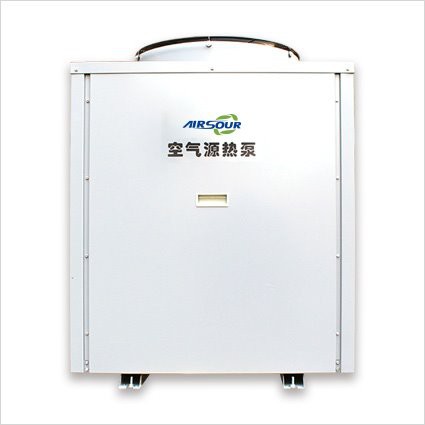
The Performance of Hot Water Air Source Heat Pumps in Cold Climates
Traditional wisdom might suggest that air source heat pumps would struggle in cold climates because there is less heat available in the air. However, modern technology has made significant advancements in this area.
Coefficient of Performance (COP)
One of the key factors to consider when evaluating the performance of a hot water air source heat pump in cold climates is the Coefficient of Performance (COP). The COP is the ratio of the heat output to the electrical energy input. In warmer climates, the COP can be quite high, meaning the heat pump can produce a large amount of heat with relatively little electricity. As the outdoor temperature drops, the COP generally decreases because it becomes more challenging to extract heat from the cold air.
However, many of the latest models, such as the Inverter Hot Water Air Source Heat Pump, are designed to maintain a relatively high COP even in cold conditions. Inverter technology allows the compressor to adjust its speed according to the heat demand, which helps to optimize energy consumption and improve performance in varying temperatures.
Defrosting Mechanisms
Another challenge in cold climates is the formation of frost on the evaporator coils. When the temperature drops below freezing, moisture in the air can condense and freeze on the coils, reducing the heat transfer efficiency. To address this issue, modern hot water air source heat pumps are equipped with defrosting mechanisms. These mechanisms periodically reverse the refrigeration cycle to melt the frost on the coils. Some advanced models use intelligent defrosting algorithms that can detect the need for defrosting based on factors such as temperature, humidity, and operating time, which helps to minimize energy losses during the defrosting process.
Low-Temperature Operation
Many of our products, including the Household Hot Water Air Source Heat Pump, are specifically designed to operate efficiently at low temperatures. They are engineered to withstand and perform well in environments with temperatures as low as -20°C or even lower. These units use special refrigerants and components that are optimized for cold climate operation, ensuring reliable hot water supply even in the harshest winters.
Advantages of Using a Hot Water Air Source Heat Pump in Cold Climates
Despite the challenges, there are several advantages to using a hot water air source heat pump in cold climates.
Energy Efficiency
Compared to traditional heating systems such as electric boilers or oil-fired heaters, hot water air source heat pumps are generally more energy-efficient. Even in cold climates, they can still extract heat from the air and convert it into usable hot water with a relatively low energy input. This can result in significant cost savings on energy bills over time.
Environmental Friendliness
Hot water air source heat pumps are a more environmentally friendly option compared to fossil fuel-based heating systems. They produce fewer greenhouse gas emissions because they rely on renewable energy from the air. By choosing a hot water air source heat pump, you can contribute to reducing your carbon footprint and making a positive impact on the environment.
Versatility
Hot water air source heat pumps can be used for a variety of applications, including space heating, domestic hot water supply, and even Spa System Heat Pump Water Heaters. They can be easily integrated into existing heating systems or used as a standalone solution, providing flexibility and convenience for homeowners and businesses.
Case Studies
To illustrate the effectiveness of hot water air source heat pumps in cold climates, let's look at some real-world case studies. In a small town in northern Canada, where the average winter temperature can drop to -25°C, a residential complex installed our Household Hot Water Air Source Heat Pump. Despite the extreme cold, the heat pumps have been able to provide a consistent supply of hot water and space heating for the residents. The energy consumption has also been significantly lower compared to the previous oil-fired heating system, resulting in substantial cost savings for the residents.
In another case, a spa in a mountainous region with cold winters installed our Spa System Heat Pump Water Heaters. The heat pumps have been able to maintain the desired water temperature in the spa pools even during the coldest months of the year. The spa owner reported that the heat pumps are not only energy-efficient but also reliable, providing a comfortable and enjoyable experience for the customers.
Conclusion
In conclusion, a hot water air source heat pump can work effectively in cold climates. Thanks to technological advancements in inverter technology, defrosting mechanisms, and low-temperature operation, modern heat pumps are capable of providing reliable hot water supply and space heating even in the harshest winter conditions. They offer several advantages, including energy efficiency, environmental friendliness, and versatility.
If you are considering a hot water air source heat pump for your home or business, especially in a cold climate, don't hesitate to contact us for more information and to discuss your specific needs. Our team of experts is ready to provide you with the best solutions and support to ensure that you get the most out of your heat pump system.
References
- ASHRAE Handbook - Heating, Ventilating, and Air-Conditioning Systems and Equipment.
- International Energy Agency (IEA) reports on heat pump technology.
- Manufacturer's technical documentation on hot water air source heat pumps.