

Alright, folks! If you're running an air source heat pump condenser, there'll come a time when you need to refill the refrigerant. Lucky for you, I'm here to walk you through this process. I'm from a supplier of Air Source Heat Pump Condensers, so I've got the know - how and practical experience to help you out.
Why Refill the Refrigerant?
First off, why do we even need to refill the refrigerant? Well, the refrigerant is like the life - blood of your air source heat pump condenser. It's responsible for absorbing heat from the air in one place and releasing it in another. Over time, due to wear and tear, small leaks can occur, causing the refrigerant level to drop. When this happens, your heat pump won't work as efficiently. It might take longer to heat or cool your space, and you'll end up using more energy, which means higher bills for you.
Pre - refill Checks
Before you start refilling the refrigerant, there are a few things you need to check. You've got to make sure the heat pump is turned off. Safety first, right? If it's still running while you're trying to refill, you could end up with some serious problems.
Next, you need to inspect the system for any visible signs of leaks. Look around the condenser unit, hoses, and connections. If you see any oily spots, that's a tell - tale sign of a refrigerant leak. You don't want to just refill the refrigerant without fixing the leak. If you do, all that new refrigerant will just leak out again soon.
Tools You'll Need
Now, let's talk about the tools. You're going to need a refrigerant gauges set. This will help you measure the pressure of the refrigerant in the system. You'll also need a refrigerant charging cylinder. This is where the new refrigerant will come from. Make sure you've got the right type of refrigerant for your air source heat pump condenser. You can usually find this information in the user manual.
Finding the Service Ports
Once you've got your tools ready, you need to find the service ports on the condenser. These are small valves where you'll connect your gauges and the charging cylinder. They're usually located on the refrigerant lines near the compressor. It might take a bit of searching, but once you find them, you're one step closer to refilling.
Taking Pressure Readings
After connecting the gauges to the service ports, you can start taking pressure readings. This will give you an idea of how much refrigerant is currently in the system. Compare these readings with the recommended pressure levels for your specific heat pump model. You can find these recommended levels in the manual or on the manufacturer's website.

Connecting the Charging Cylinder
Once you've got the pressure readings, it's time to connect the charging cylinder. First, make sure the valve on the charging cylinder is closed. Then, attach it to the low - pressure service port. The low - pressure port is usually the larger of the two service ports.
Refilling Process
Now, it's time for the actual refilling. Slowly open the valve on the charging cylinder. You'll start to see the refrigerant flowing into the system. Keep an eye on the gauges. You want to stop adding refrigerant when the pressure reaches the recommended level. This part takes a bit of patience. Don't just open the valve wide and let it all flow in. You could overcharge the system, which is just as bad as undercharging it.
Monitoring the System
After you've added the refrigerant, let the heat pump run for a while. Keep monitoring the pressure and the temperature of the air coming out of the vents. If everything seems to be working okay and the pressures are stable, then you've done a good job.
Post - refill Checks
Once you're done refilling, give the whole system another once - over. Check all the connections to make sure they're tight and there are no signs of leakage. You should also clean up any mess you've made during the process.
Related Components
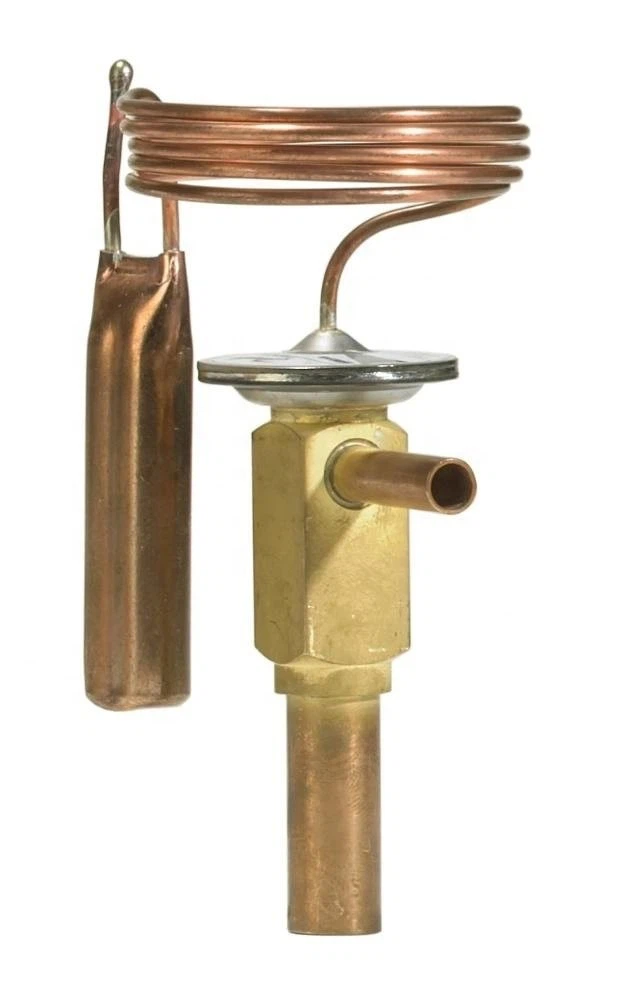
You might also be interested in some related components of the air source heat pump system. For example, the Air Source Heat Pump Evaporator plays a crucial role in the heat exchange process. It works hand - in - hand with the condenser. And if you're looking for a component to regulate the flow of refrigerant, the Thermal Expansion Valve for Air Source Heat Pump is what you need. Also, a Copper Tube Evaporator can be a great option due to its good thermal conductivity.
Wrapping Up
Refilling the refrigerant in an air source heat pump condenser may seem a bit daunting at first, but if you follow these steps, you'll be able to do it safely and effectively. Remember, if you're not comfortable doing it yourself, it's always a good idea to call in a professional.
As an Air Source Heat Pump Condenser supplier, we're here to offer you high - quality products and the knowledge to keep them running smoothly. If you're in the market for an air source heat pump condenser, condenser parts, or even just have some questions about refrigerant refilling, don't hesitate to reach out. We're more than happy to discuss your needs and help you find the best solutions. Start the procurement negotiation process with us, and let's work together to ensure your air source heat pump system operates at its best.
References
ASHRAE Handbook: Refrigeration.
Manufacturer's manuals for air source heat pump condensers.